
"traditional milling"
600 article(s) found

How to make a good espresso and what's the difference between the American way?
The higher the brewing temperature, the lower the acidity of the coffee, the higher the bitterness and the burnt taste, the lower the water temperature, the higher the acidity, and the lower the bitterness and the burnt taste, so the ideal water temperature should be adjusted according to different beans and recipes, such as a lower water temperature for deep roasting and a higher water temperature for shallow roasting. My favorite water temperature is 91 degrees. Most of the water temperature control

Is the Colombian Huilan coffee bean a tin card? introduction to the washing of yellow tin card in Saint Ario Manor.
Valencia Coffee farming (mill) is a small-scale coffee production family located in Neiva, Huilan Province. this family has a 30-year history of coffee cultivation and processing, and has always maintained a relatively low-key attitude and focused on the delicate processing of coffee. Unlike most coffee growers and processors, Valencia abandoned the original unified Colombian standard and no longer adopted supr

Boutique Coffee Mocha Coffee Development Origin Mocha Coffee Flavor Boutique Coffee
Mocha coffee beans are similar in shape to Ethiopian Harrar coffee beans.

Yemeni mocha coffee bean growing area
The shape of mocha coffee beans is similar to that of Ethiopia's Harrar coffee beans.

Introduction of mocha coffee producing area, planting area and manor
The shape of mocha coffee beans is similar to that of Ethiopia's Harrar coffee beans.

2017 Incht Manor in Guatemala bid for lots of "Ruby Geisha" EI06-01
2017 EI06-01 Ruby Geisha Farm name: El Injerto Manor Certification: rainforest Alliance Coffee name: EI06-01 Harvest date: January-March 2017 Variety: MALAWI GESHA History: this exotic luxury seed comes directly from Malawi, which is more than the traditional Gesha.

Types and planting characteristics of hand-brewed coffee at SHB Yano Manor in Tarazu, Costa Rica? Flavor description
Chateau Kaddura, Tarazu Tangmeo processing Plant, Costa Rica: vanilla, cream, honey, good grease, hard core fruit, delicate and smooth body, sweet and sour balance, chocolate and caramel, round acidity, lingering taste. Rome Manor, owned by Tang Meo processing Plant, won the seventh place in Costa Rica (COE) competition in 2017.

Flavor and taste characteristics of Indonesian coffee beans in addition to Java coffee in Sumatra Aceh
Although the Indonesian island of Java has become famous in the coffee industry, Arabica coffee production in Sumatra began only under Dutch colonial rule in the 1700s. Aceh, located at the northern end of the island around Lake Tawar, was the first area to start growing coffee and is known for its complex characteristics of fruit, soil and wood, mainly from their traditional name gilling.

Origin of mocha coffee beans Fine Coffee
Mocha beans are smaller and rounder than most coffee beans, which makes mocha beans look like peas. In fact, bean-shaped berry coffee beans (Peaberrybean) are sometimes called mocha beans. The shape of mocha coffee beans is similar to that of Ethiopia's Harrar coffee beans.

Mocha coffee beans Mocha coffee beans
Mocha beans are smaller than most coffee beans, which makes them look like peas. In fact, peaberrybeans are sometimes referred to as mocha beans. Mocha coffee beans are similar in shape to Ethiopian Harrar coffee beans.

What are the mocha coffee beans?
Mocha beans are smaller than most coffee beans, which makes them look like peas. In fact, peaberrybeans are sometimes referred to as mocha beans. Mocha coffee beans are similar in shape to Ethiopian Harrar coffee beans.

Yemen Mocha Hirazi Region Ismaili Wild Mocha Coffee Bean Features Taste Origin
Professional coffee knowledge exchange More coffee bean information Please pay attention to coffee workshop (Weixin Official Accounts cafe_style) Yemen Mocha Hirazi production area Ismaili wild coffee varieties flavor? The origin of wild coffee is probably Ethiopia in northeast Africa. In the 15th century AD, it spread to Yemen in southern Arabia and was cultivated artificially. ten
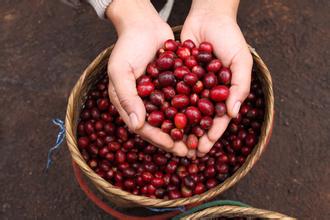
Fine Coffee Colombia Mocha Coffee Bean Coffee
Mocha beans are smaller than most coffee beans, which makes them look like peas. In fact, peaberrybeans are sometimes referred to as mocha beans. Mocha coffee beans are similar in shape to Ethiopian Harrar coffee beans.

Mocha Coffee Bean Yemeni Coffee Boutique Coffee
Mocha beans are smaller than most coffee beans, which makes them look like peas. In fact, peaberrybeans are sometimes referred to as mocha beans. Mocha coffee beans are similar in shape to Ethiopian Harrar coffee beans.

Introduction to the flavor characteristics of mocha coffee beans
In Yemen, coffee growers plant poplars to provide shade for coffee to grow. As in the past, these trees are planted on steep terraces to maximize the use of less rainfall and limited soil resources. In addition to the Tippika Coffee Tree and the Bourbon Coffee Tree, more than a dozen different coffee species native to Ethiopia are grown in Yemen. But,

The Origin of mocha Coffee Bean Culture in Yemen
In Yemen, coffee growers plant poplars to provide shade for coffee to grow. As in the past, these trees are planted on steep terraces to maximize the use of less rainfall and limited soil resources. In addition to the Tippika Coffee Tree and the Bourbon Coffee Tree, more than a dozen different coffee species native to Ethiopia are grown in Yemen. But,

Introduction to mocha coffee beans
Mocha beans are smaller and rounder than most coffee beans, which makes mocha beans look like peas. In fact, bean-shaped berry coffee beans (Peaberrybean) are sometimes called mocha beans. The shape of mocha coffee beans is similar to that of Ethiopia's Harrar coffee beans.

Boutique coffee mocha coffee beans characteristics coffee bean price
Mocha beans are smaller and rounder than most coffee beans, which makes mocha beans look like peas. In fact, bean-shaped berry coffee beans (Peaberrybean) are sometimes called mocha beans. The shape of mocha coffee beans is similar to that of Ethiopia's Harrar coffee beans.

Fine Coffee Mocha Coffee Processing Method Honey Processing
Mocha beans are smaller than most coffee beans, which makes them look like peas. In fact, peaberrybeans are sometimes referred to as mocha beans. Mocha coffee beans are similar in shape to Ethiopian Harrar coffee beans.

Characteristics of Kirura Cooperative Coffee beans in Qi'anbu, Kenya _ aa Coffee World ranking
For more information on coffee beans, please follow Coffee Workshop (Wechat official account cafe_style) Kenya Kiambu Kirura Kenya Coffee producing area-Kiambu Kirura is one of the 13 washing stations of Komothai, the largest cooperative in Kianmbu County. The area is a combination of historic colonial cafes, single farmers' estates and well-run cooperatives.